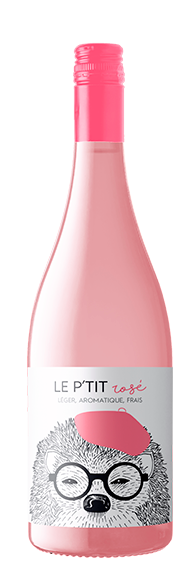
Hérisson Le P’tit Rosé

ORIGINS & TERROIRS

Grape variety: Cinsault

Appellation: IGP Pays d'Oc

Label: Vin biologique - Certifié par Ecocert

Average yield: 70 hl/ha

Vines are located north of Béziers, where the soil is predominantly clay-limestone.

Vinification & ageing

Harvested at night to avoid any oxidation of the grapes and to keep a maximum of freshness. Soft pressing in an inert pneumatic press. Cold static clarification. Fermentation at low temperature (15-16°C). Aged on fine lees. Fining: Pea proteins and bentonite. Filtration: Tangential filtration.

Tasting notes

Sensory Palette: Aromatique, Frais

Visual: Pale lychee color with silver reflections.

Olfactory: Citrus, grapefruit and exotics fruits notes.

Gustatory: Lively and fresh with saline finish.

Serving temperature: 8-10°C°C
Our other organic wines

Inspiration
continues here...

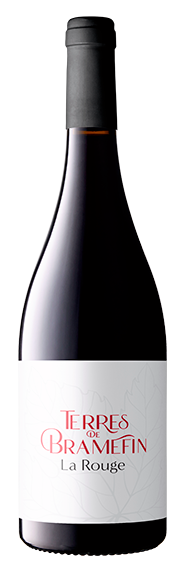
Terres de Bramefin La Rouge
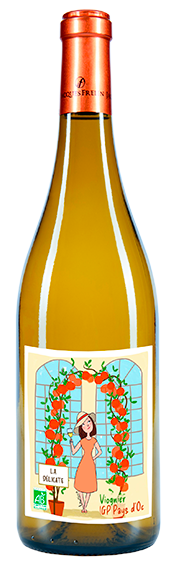
La Délicate
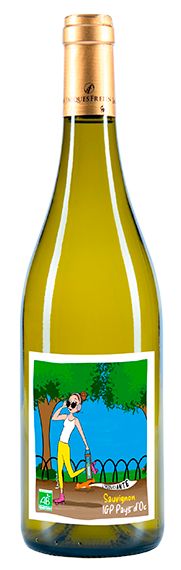
L’Insouciante
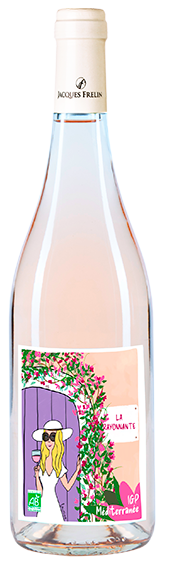
La Rayonnante
Hérisson Le P’tit Rosé
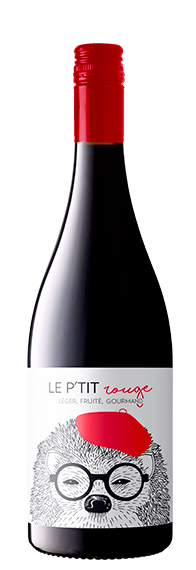
Hérisson Le P’tit Rouge
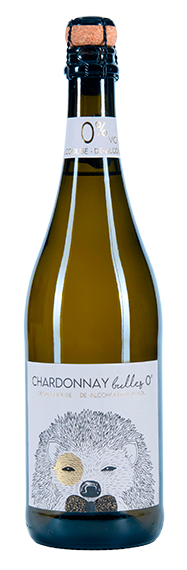
Hérisson Chardonnay Bulles 0°
La Rêveuse
Read more

Cinsault

Originally from central Provence, this old grape variety is mainly grown in the Rhône Valley and Languedoc-Roussillon. Highly resistant to drought, it was originally used to produce red wine. Nowadays, Cinsault is most appreciated for its rosé wines. Low in acidity, this grape expresses aromas of almond, redcurrant, nectarine and apricot. Cinsault wines are pleasant, supple, light and pale in color. It is often blended with other grape varieties such as Grenache to produce perfectly balanced wines.